
In the dynamic landscape of modern business, collaboration isn’t just a buzzword—it’s the driving force behind innovation, efficiency, and success. Whether you’re leading a small team or managing a large organization, effective collaboration among team members is crucial for achieving your goals and staying ahead of the competition. However, managing collaboration tools across multiple platforms can be time-consuming and counterproductive, leading to inefficiencies and communication breakdowns. That’s where integrated platforms come in, offering a unified solution for managing your copilots—your teammates—efficiently and seamlessly.
The Challenges of Fragmented Collaboration
In today’s digital age, teams rely on an array of tools and platforms to communicate, share files, manage projects, and collaborate on tasks. From email and messaging apps to project management tools and file-sharing platforms, the options are endless. However, using these tools in isolation can lead to fragmented workflows, communication silos, and productivity bottlenecks.
Imagine having to switch between multiple apps and platforms throughout the day just to communicate with your team, track project progress, and share files. Not only does this disrupt your workflow, but it also increases the risk of important messages getting lost in transit, files being misplaced, and tasks slipping through the cracks. In essence, fragmented collaboration can hinder productivity and impede your team’s ability to work cohesively towards common goals.
The Power of Integration
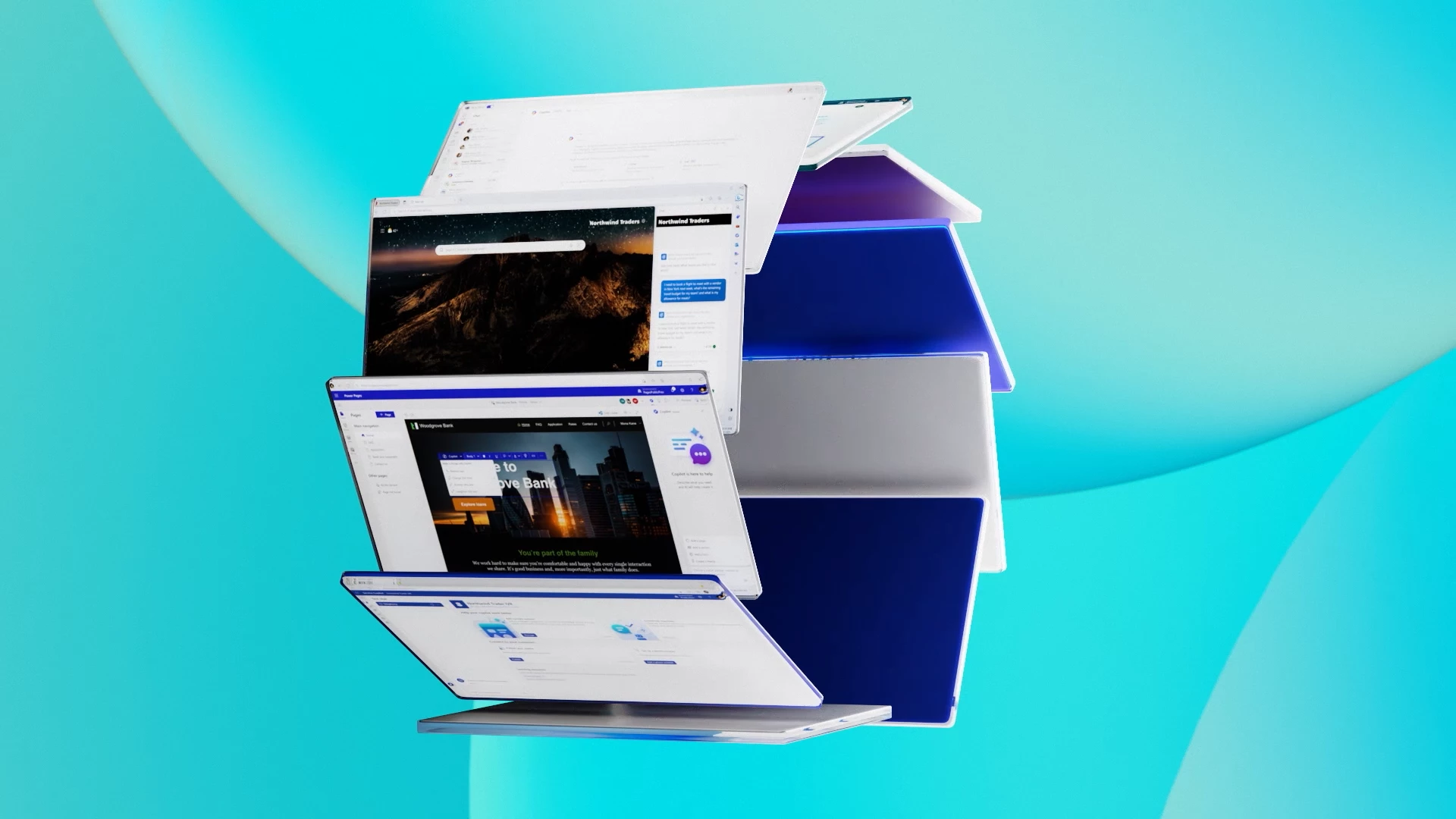
Integrated collaboration platforms offer a solution to the challenges posed by fragmented workflows. By consolidating communication, project management, file sharing, and other essential functions into a single interface, these platforms streamline collaboration and empower teams to work more efficiently and effectively.
With an integrated platform, you can communicate with your team in real-time through chat, video conferencing, and threaded discussions—all within the same interface. You can also create tasks, set deadlines, assign responsibilities, and track progress without ever leaving the platform. Plus, integrated file sharing capabilities ensure that everyone has access to the latest documents and resources, reducing the risk of version conflicts and data loss.
Benefits of Integrated Collaboration Platforms
The benefits of adopting an integrated collaboration platform are numerous:
Streamlined Workflow: With all your collaboration tools in one place, you can say goodbye to constant app-switching and hello to a more streamlined workflow.
Improved Productivity: Integrated platforms make it easier for teams to collaborate in real-time, share information, and stay on top of tasks, leading to increased productivity and efficiency.
Enhanced Communication: By providing a centralized hub for communication, integrated platforms facilitate clearer and more transparent communication among team members, reducing the risk of misunderstandings and miscommunication.
Better Decision Making: With access to real-time project data and insights, teams can make more informed decisions quickly and confidently, leading to better outcomes.
Scalability and Flexibility: Integrated platforms are designed to grow with your business, allowing you to add new users, scale up your operations, and adapt to changing needs without missing a beat.
Conclusion
In today’s fast-paced business environment, effective collaboration is more important than ever. By adopting an integrated collaboration platform, you can streamline communication, boost productivity, and empower your team to achieve greater success. So why manage your copilots with multiple tools when you can do it all with one integrated platform? It’s time to simplify your workflow, enhance your communication, and take your collaboration to the next level.